
Works
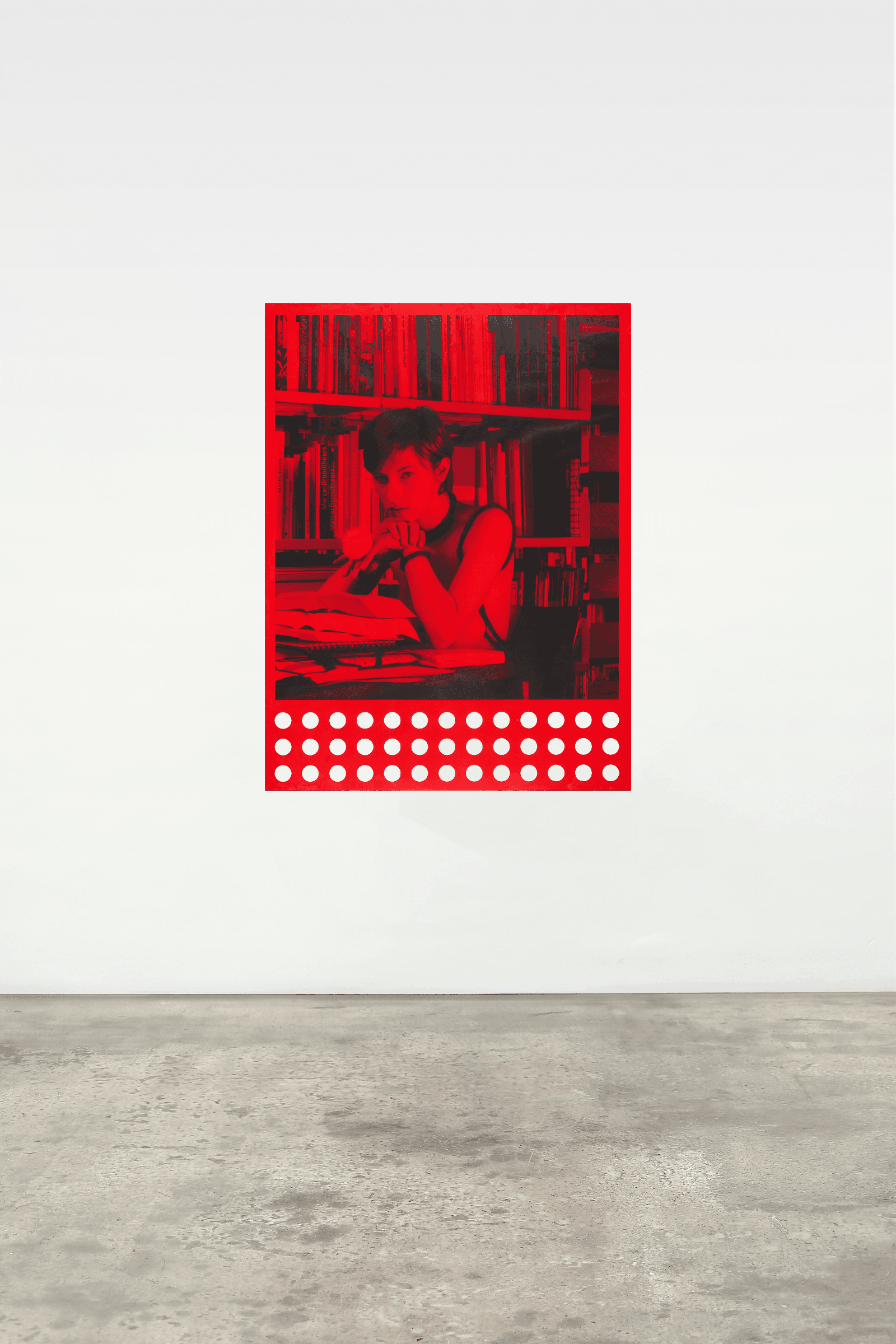
Rosemarie Trockel
Babylon Bibliothek

Dozie Kanu
Chair [ iii ] (Dark)

Gruppe Pentagon || Meyer Voggenreiter
Mai 68

Gruppe Pentagon || Meyer Voggenreiter
Ceci n‘est pas un dé

Gregor Hildebrandt
Under a black flag (The Cure)
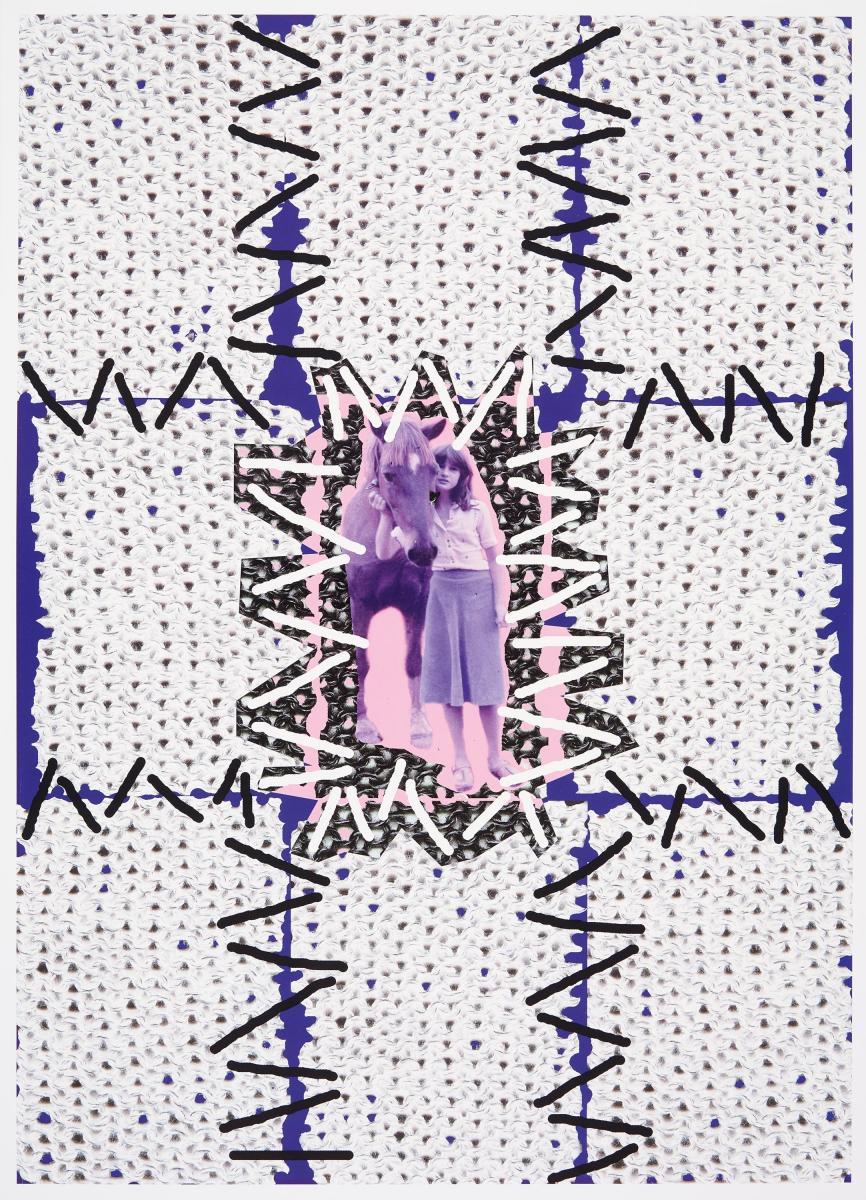
Rosemarie Trockel
Katy Kitten
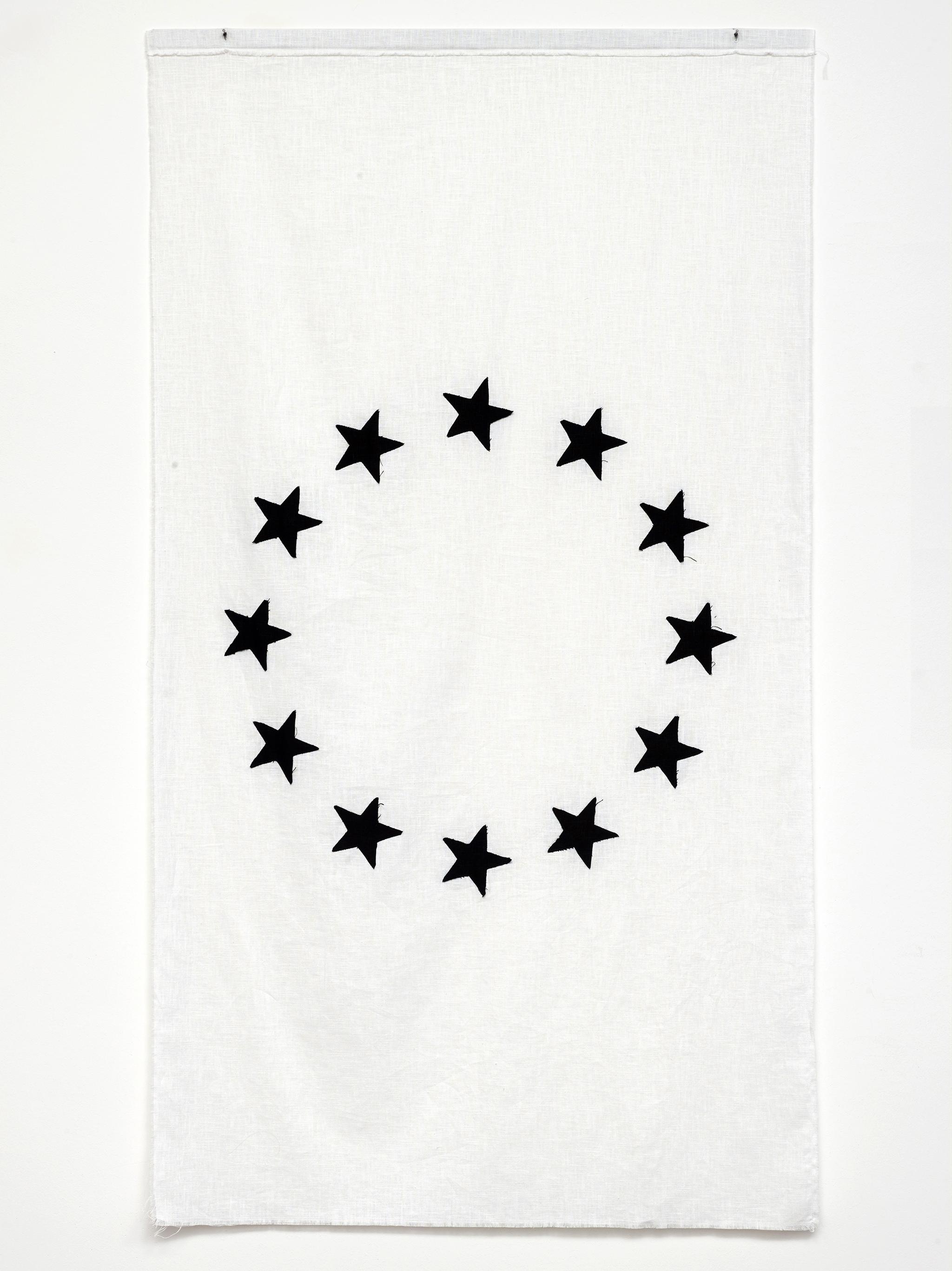
Rosemarie Trockel
Carte Blanche
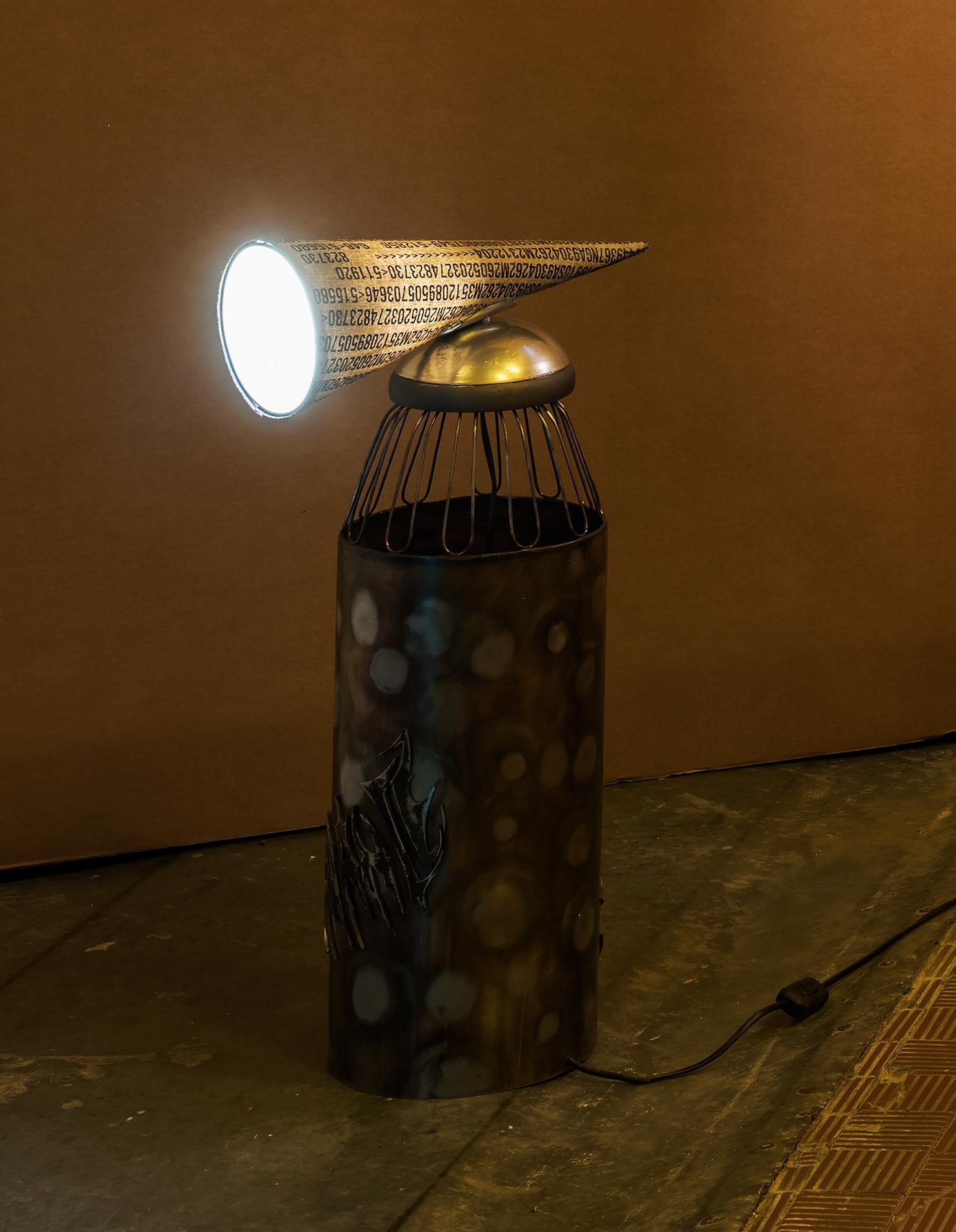
Dozie Kanu
ring sum alarm
Dozie Kanu
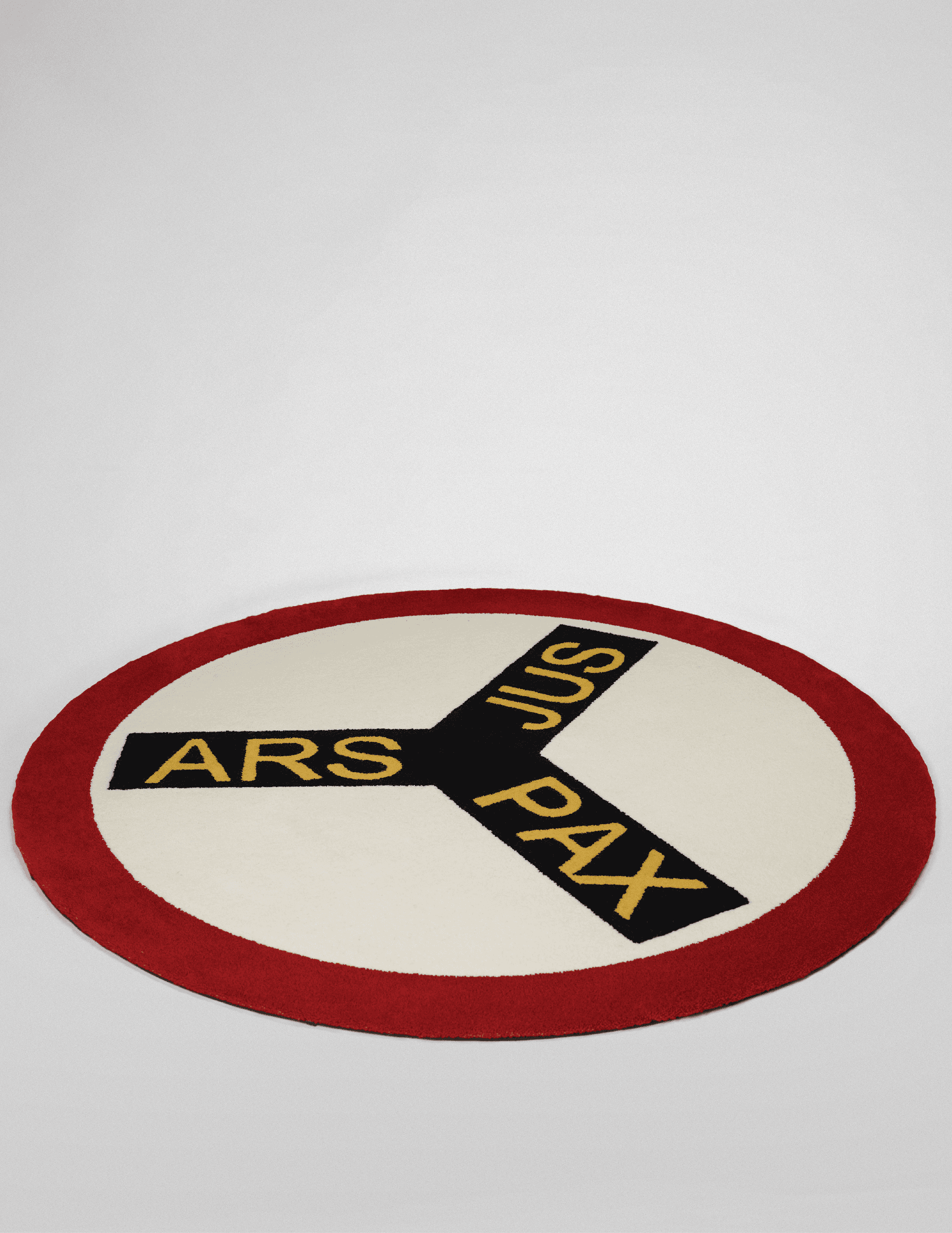
ARS JUS PAX
Dozie Kanu
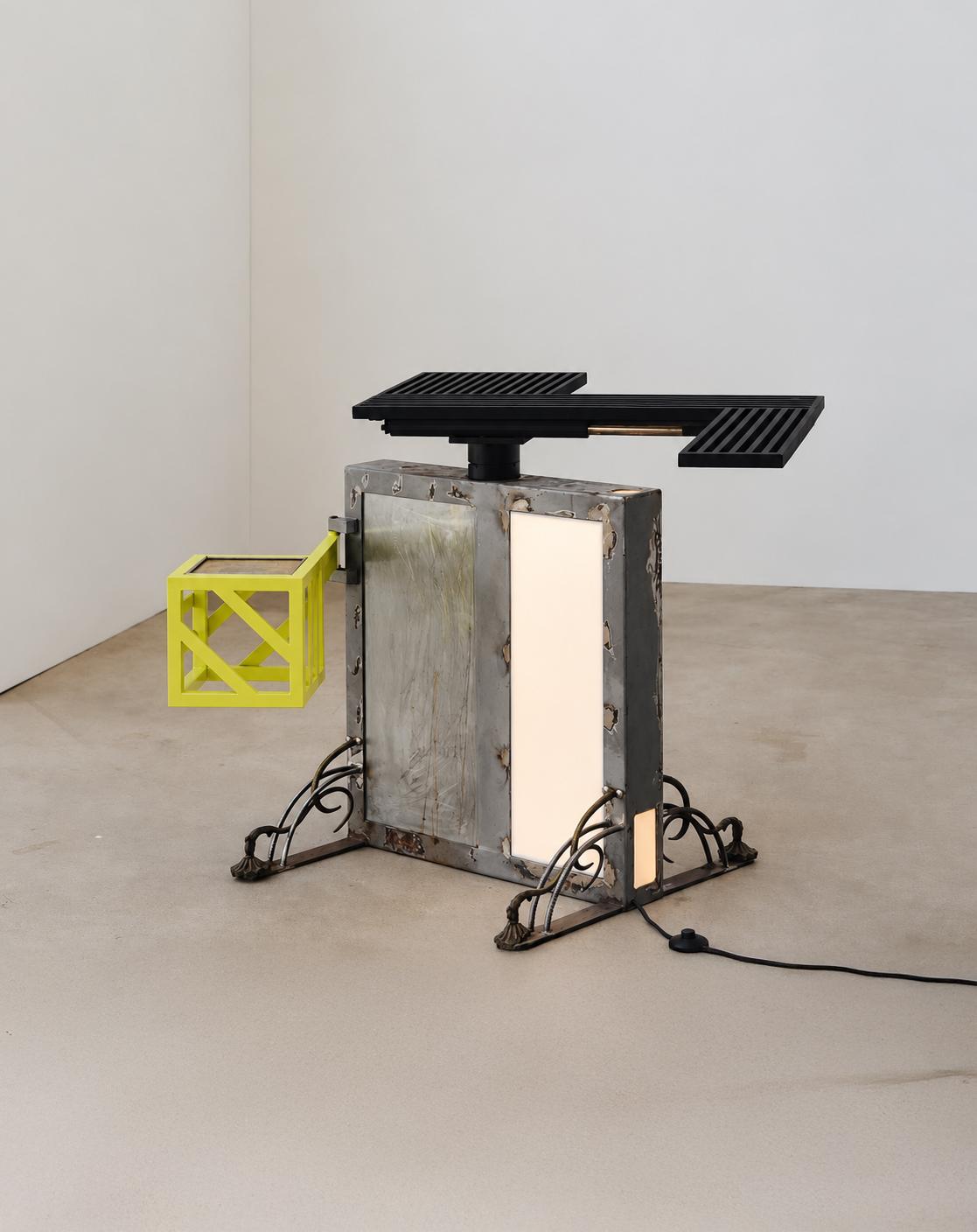
never wrote a hook or dropped 30 but somehow someway here is a lightbox spawned from guts
Julian-Jakob Kneer
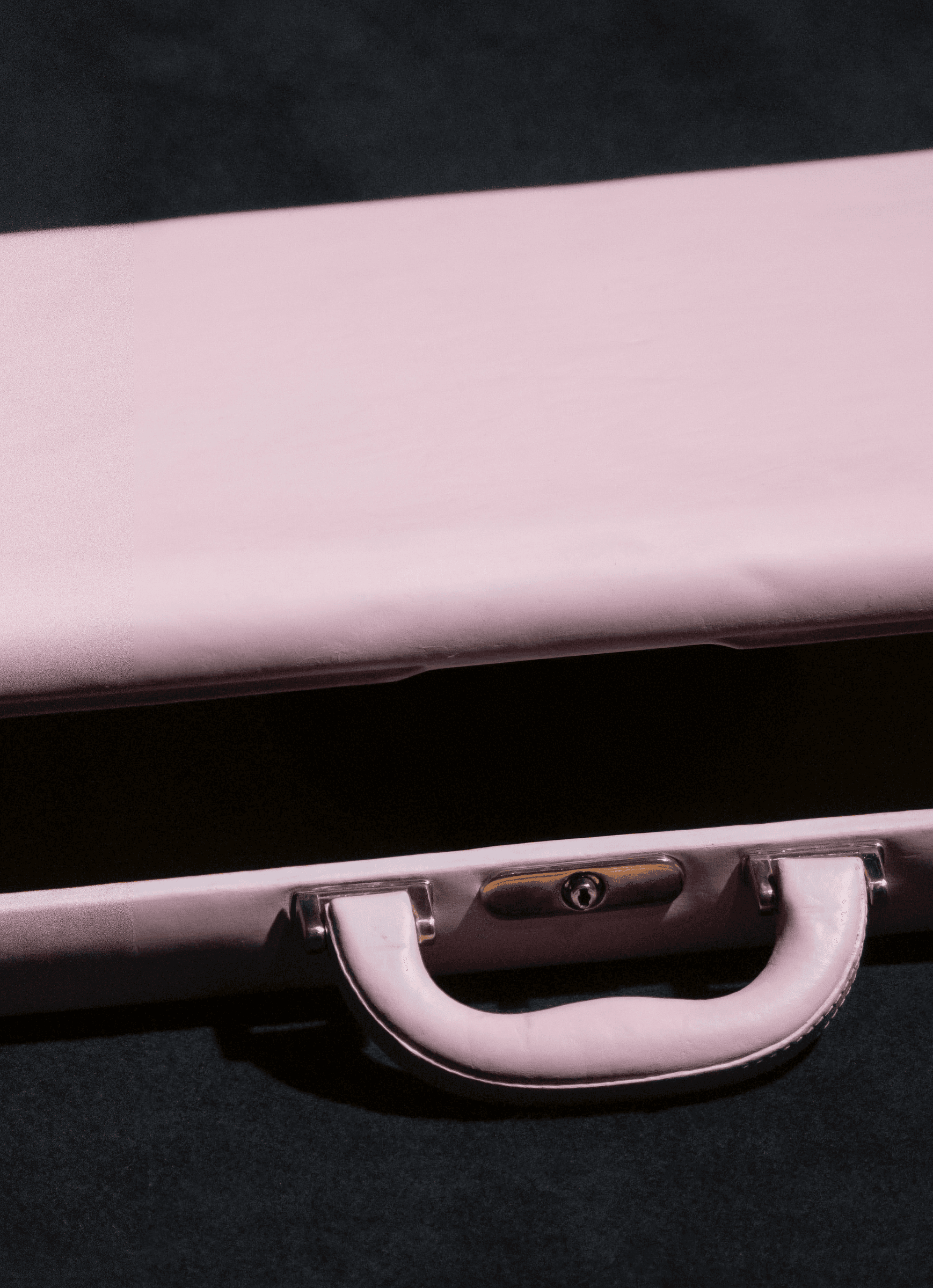
Briefcase (Still, Pink)
Dozie Kanu
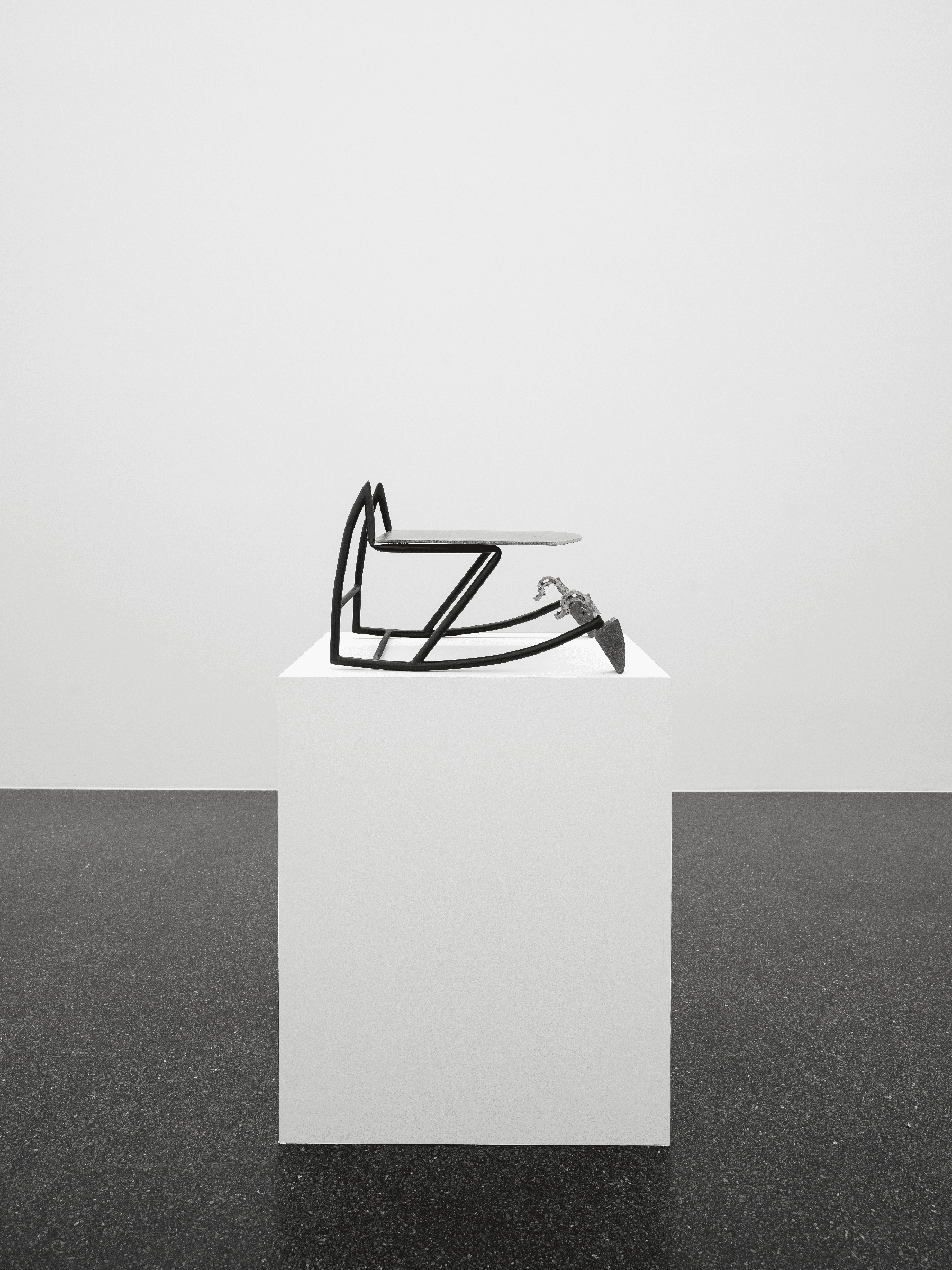
brooks
Dozie Kanu
luminar, purpose oriented opp-tix
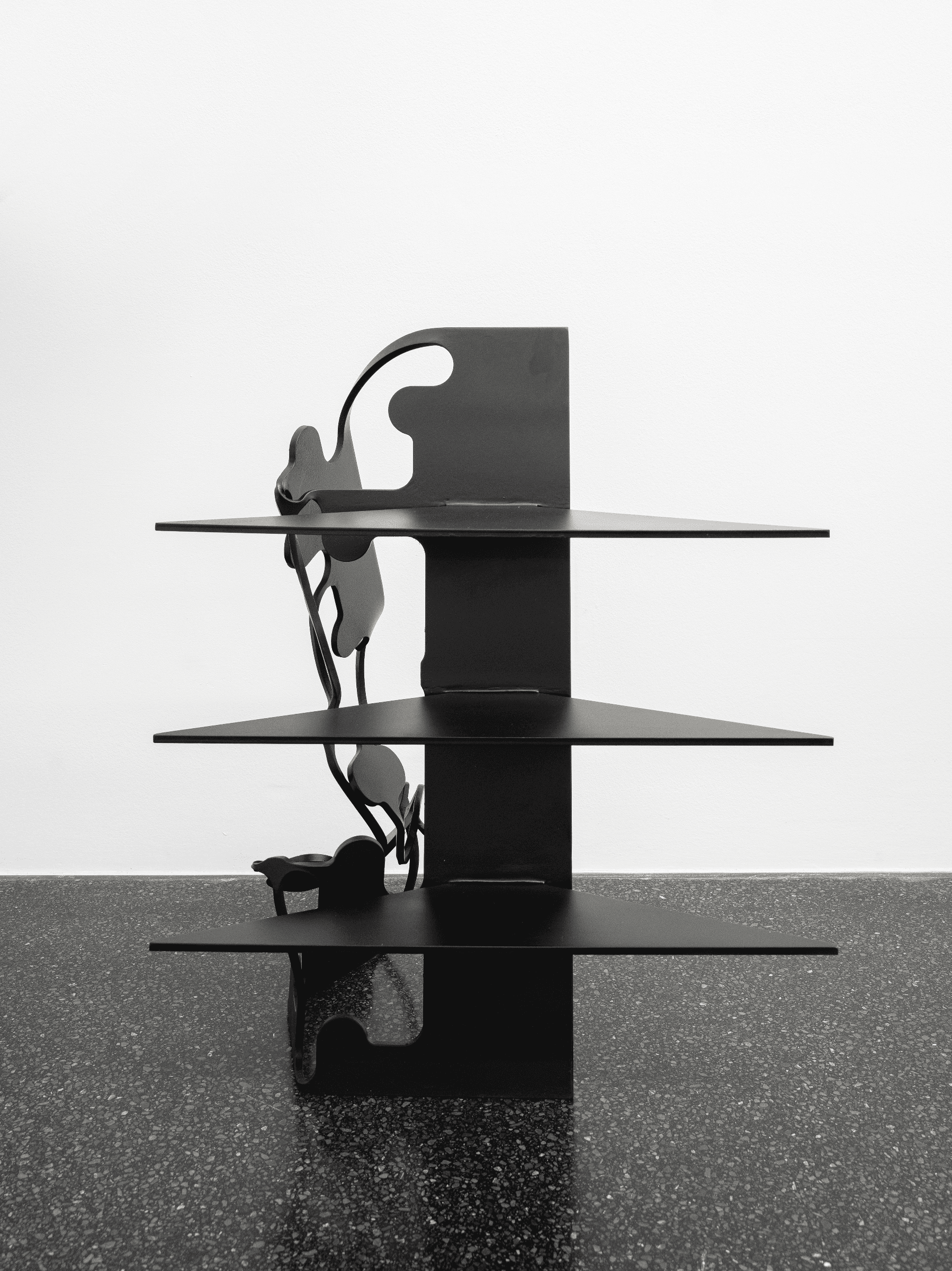
Dozie Kanu
Untitled

Dozie Kanu
Chair [xx] (Beyeler Security)(RAL 3011)
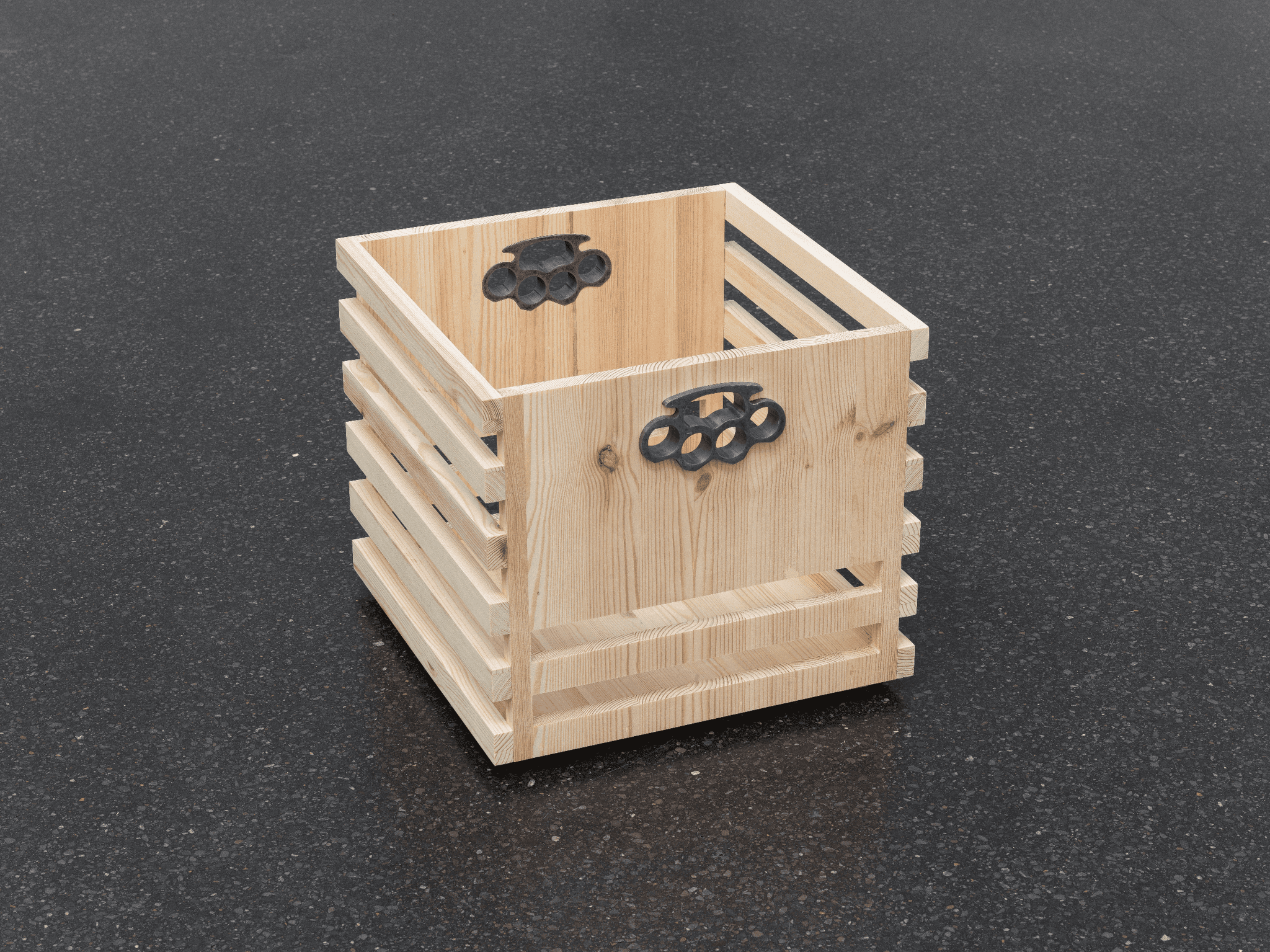
Dozie Kanu
Knuckle crate (rejected Vitra design)
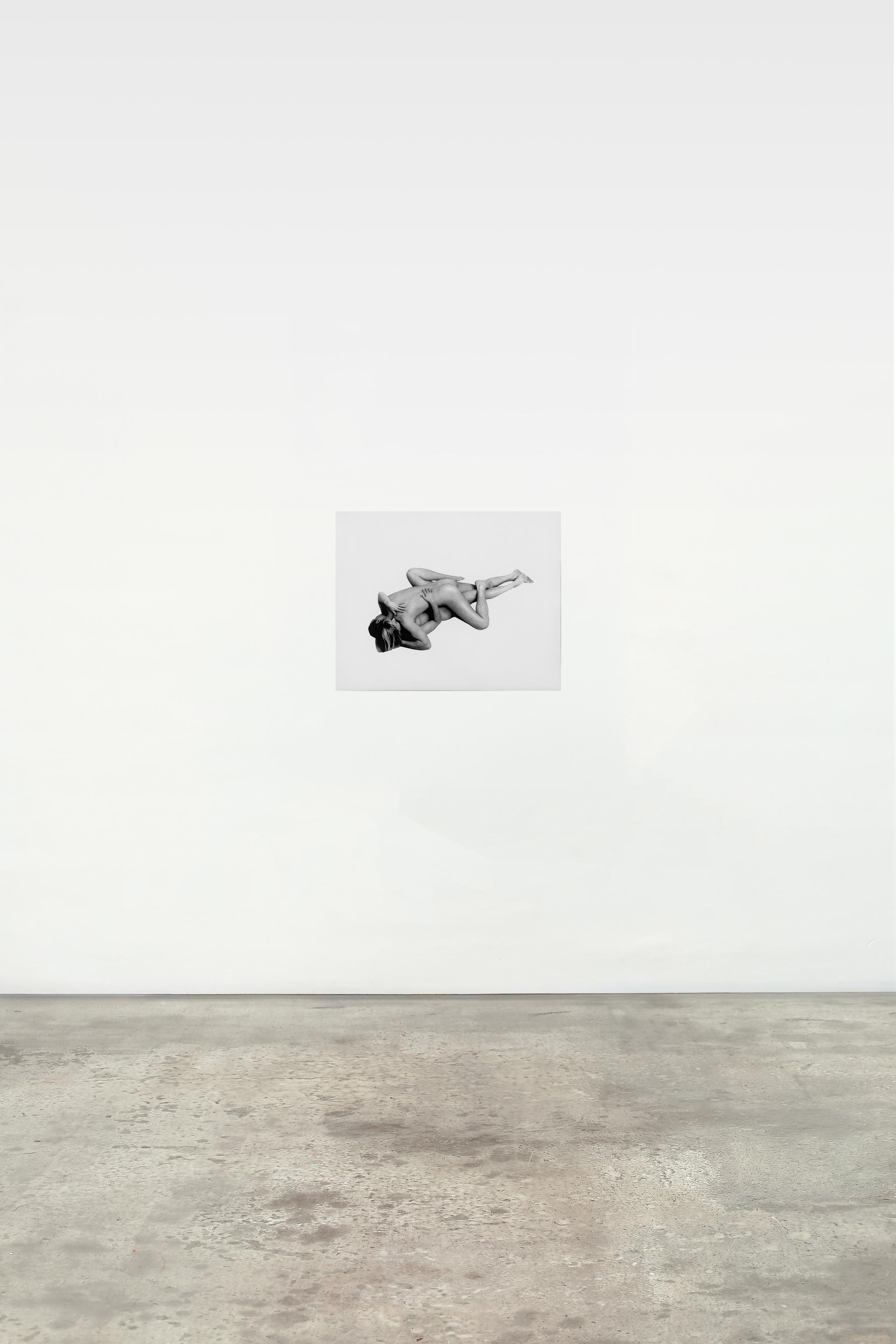
Rosemarie Trockel
Boy Meets Girl
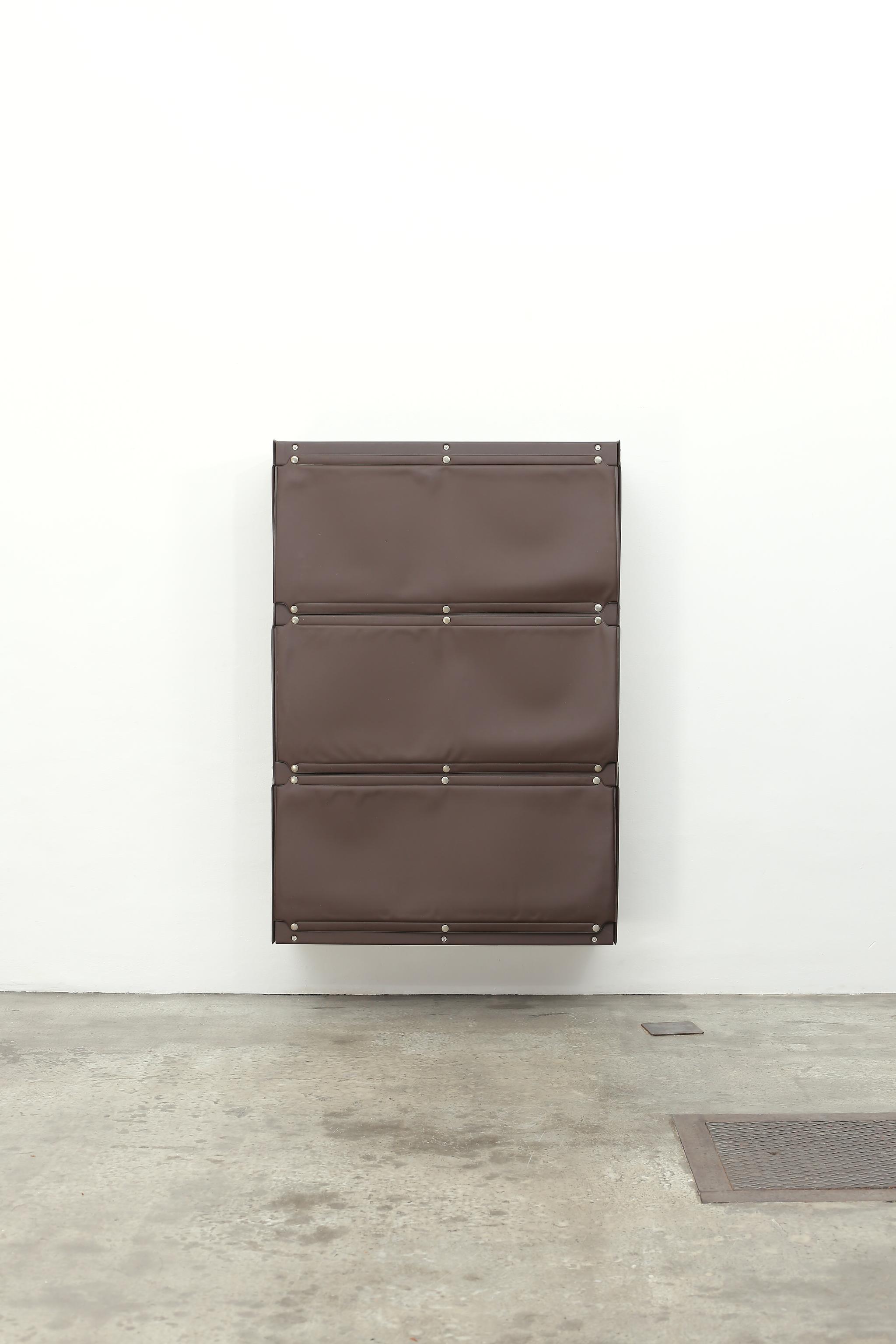
Otto Zapf
Triple cabinet
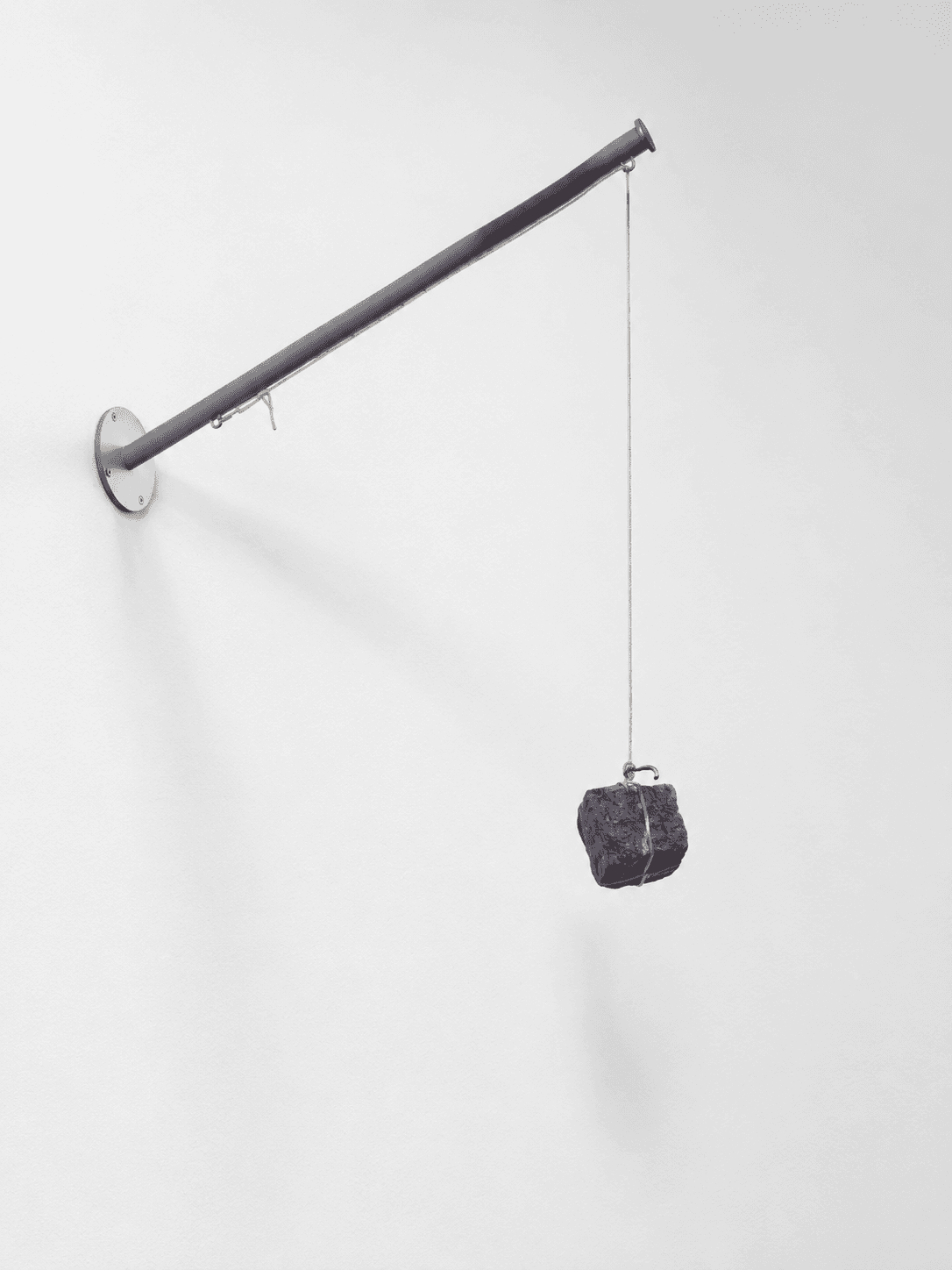
Klara Lidén
X
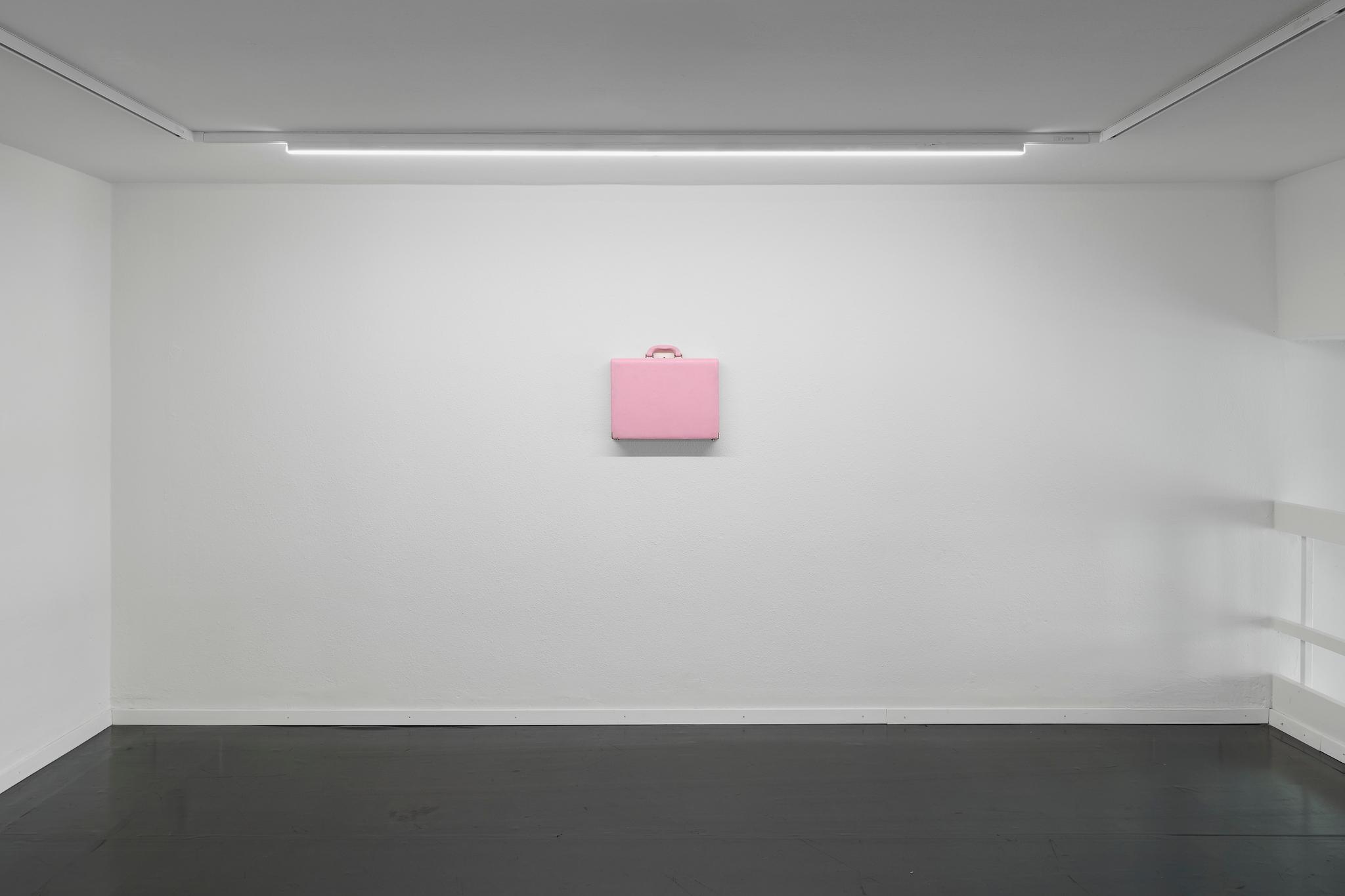
Julian-Jakob Kneer
Briefcase (Attaché, Pink)
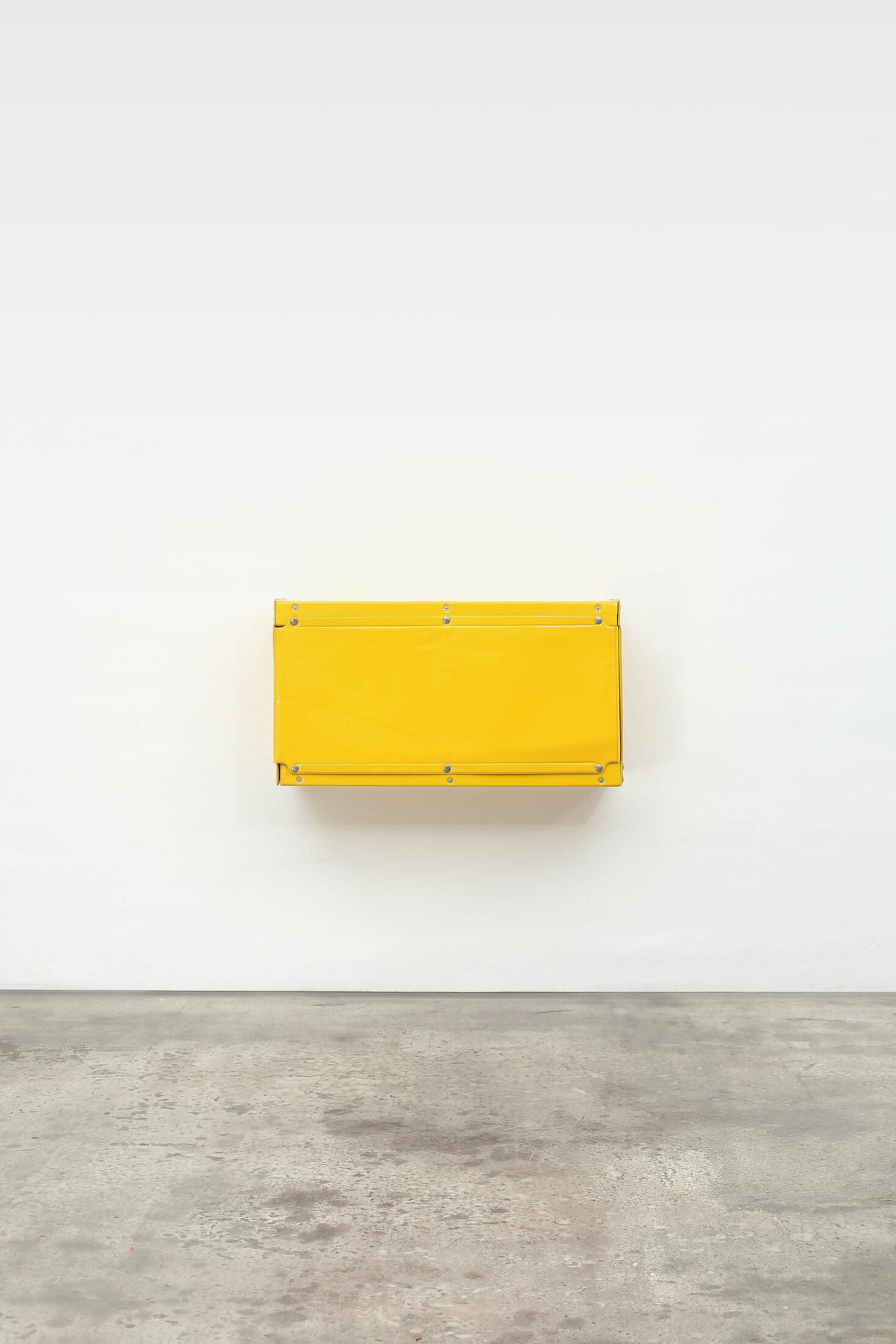
Otto Zapf
Softline Shelving System, Yellow Single Unit
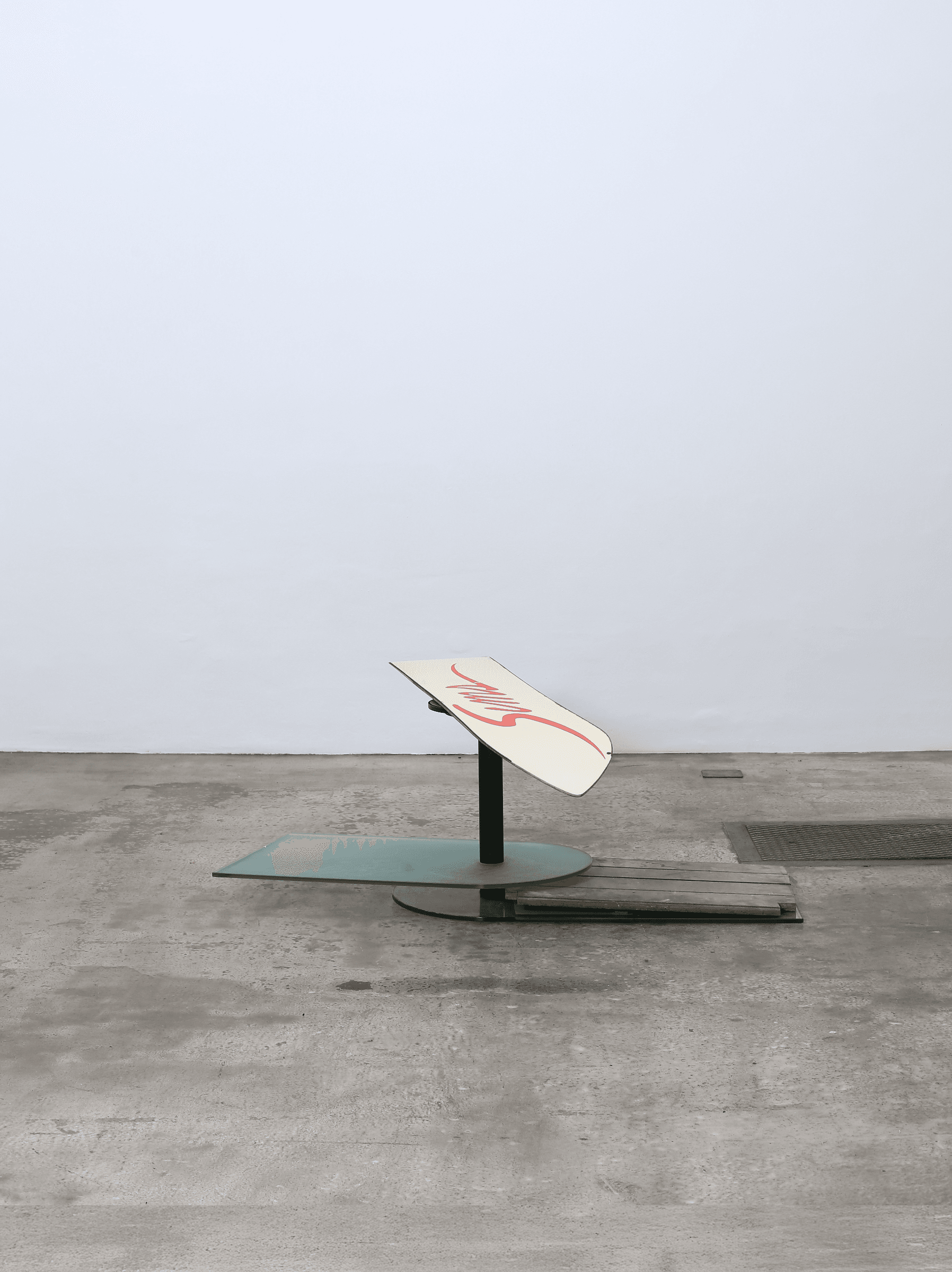
Ser Serpa
forming selling svengali meet me
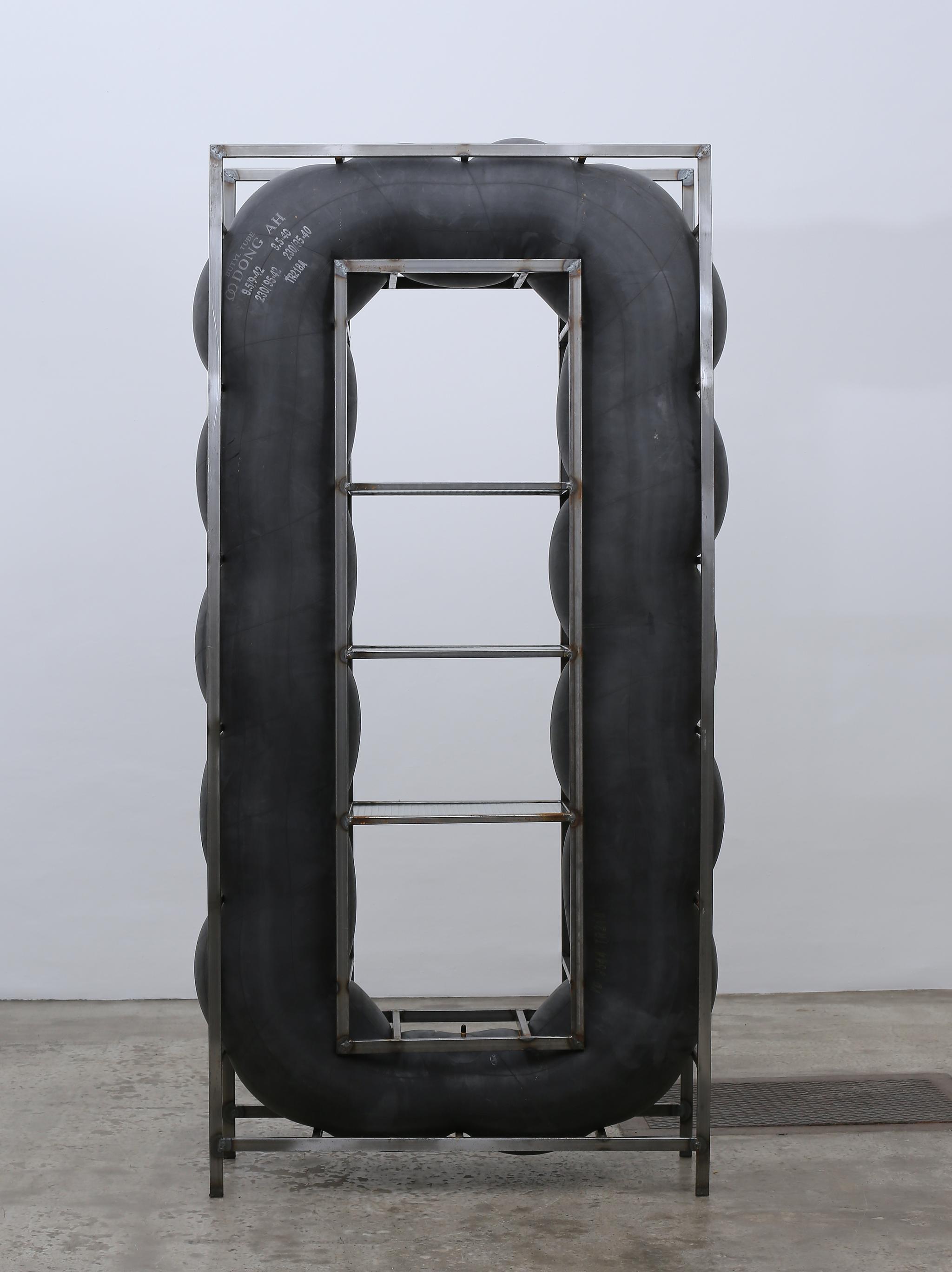
Gruppe Pentagon || Reinhard Müller
Chambre A Air Shelf Unit
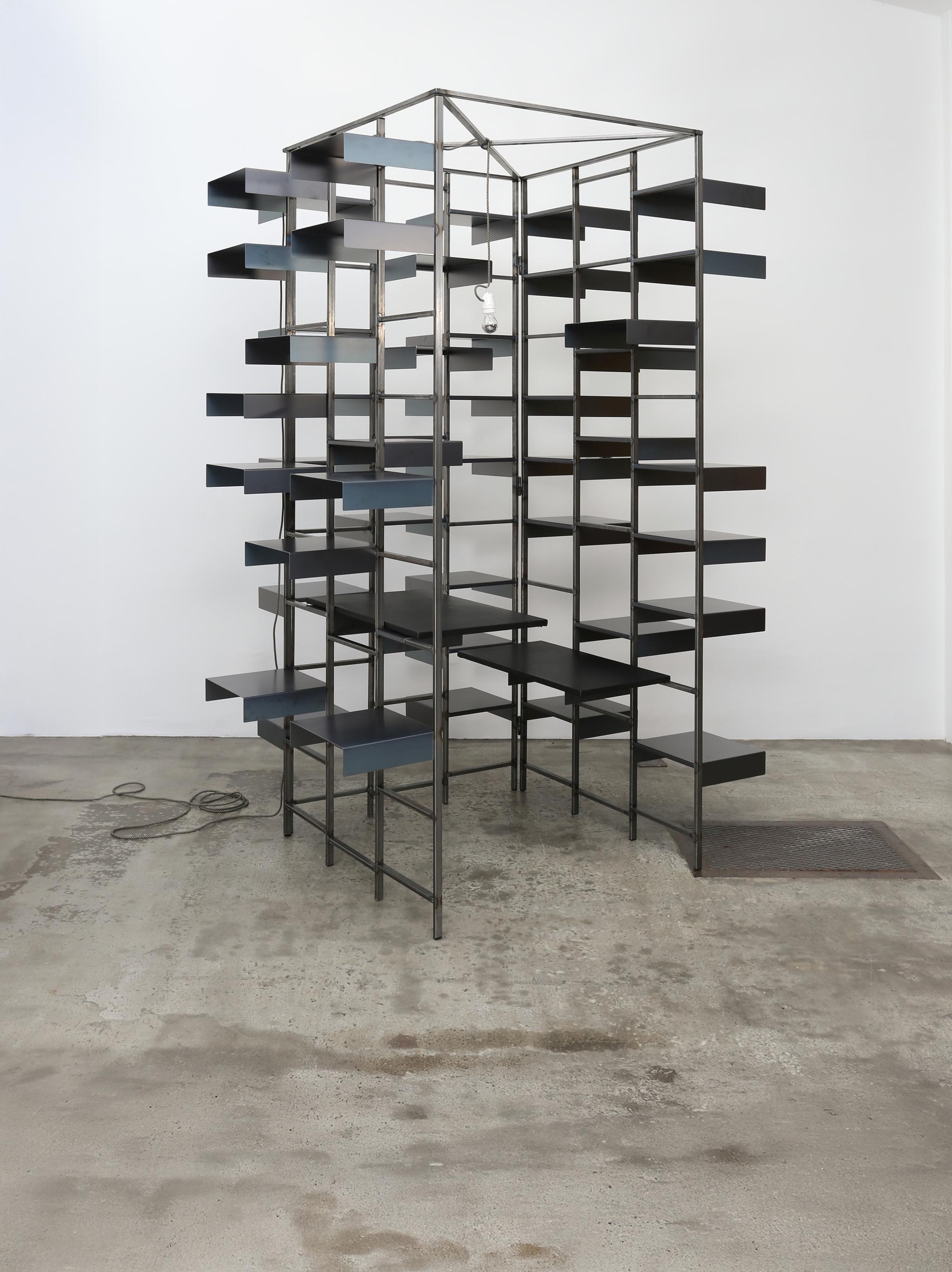
Gruppe Pentagon || Meyer Voggenreiter || Reinhard Müller
Library
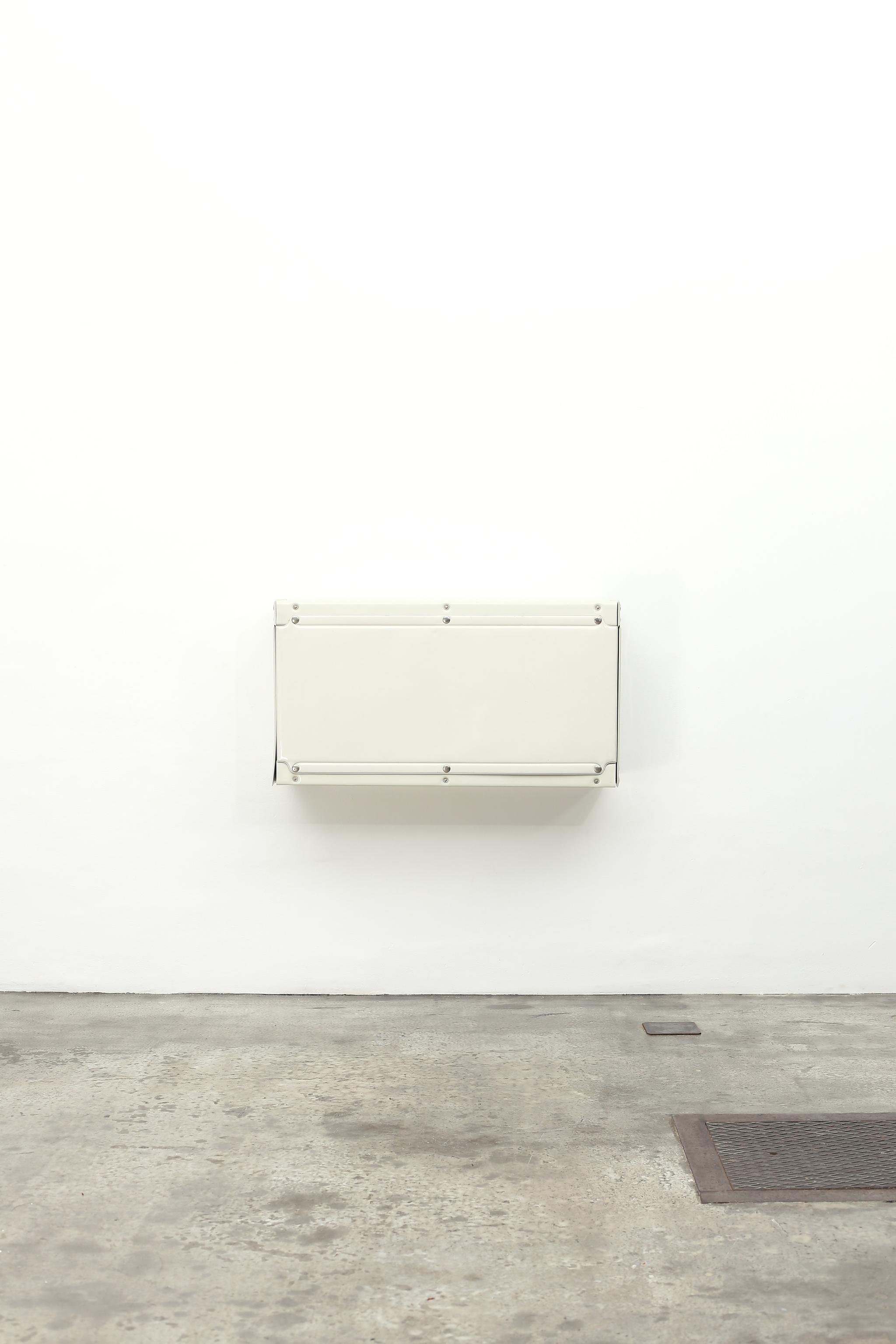
Otto Zapf
White Cabinet
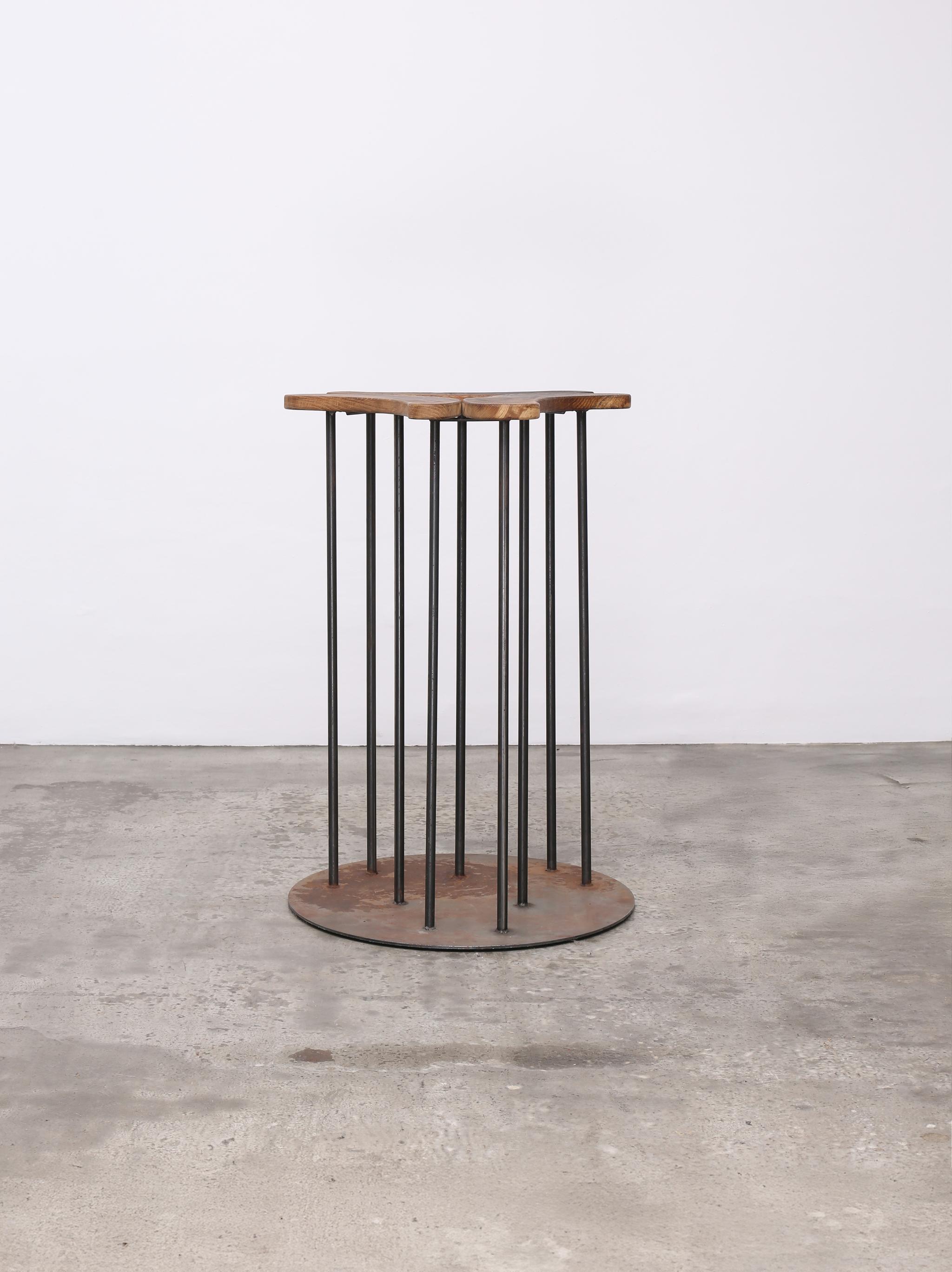
Gruppe Pentagon || Meyer Voggenreiter
Table for the Cafe Casino
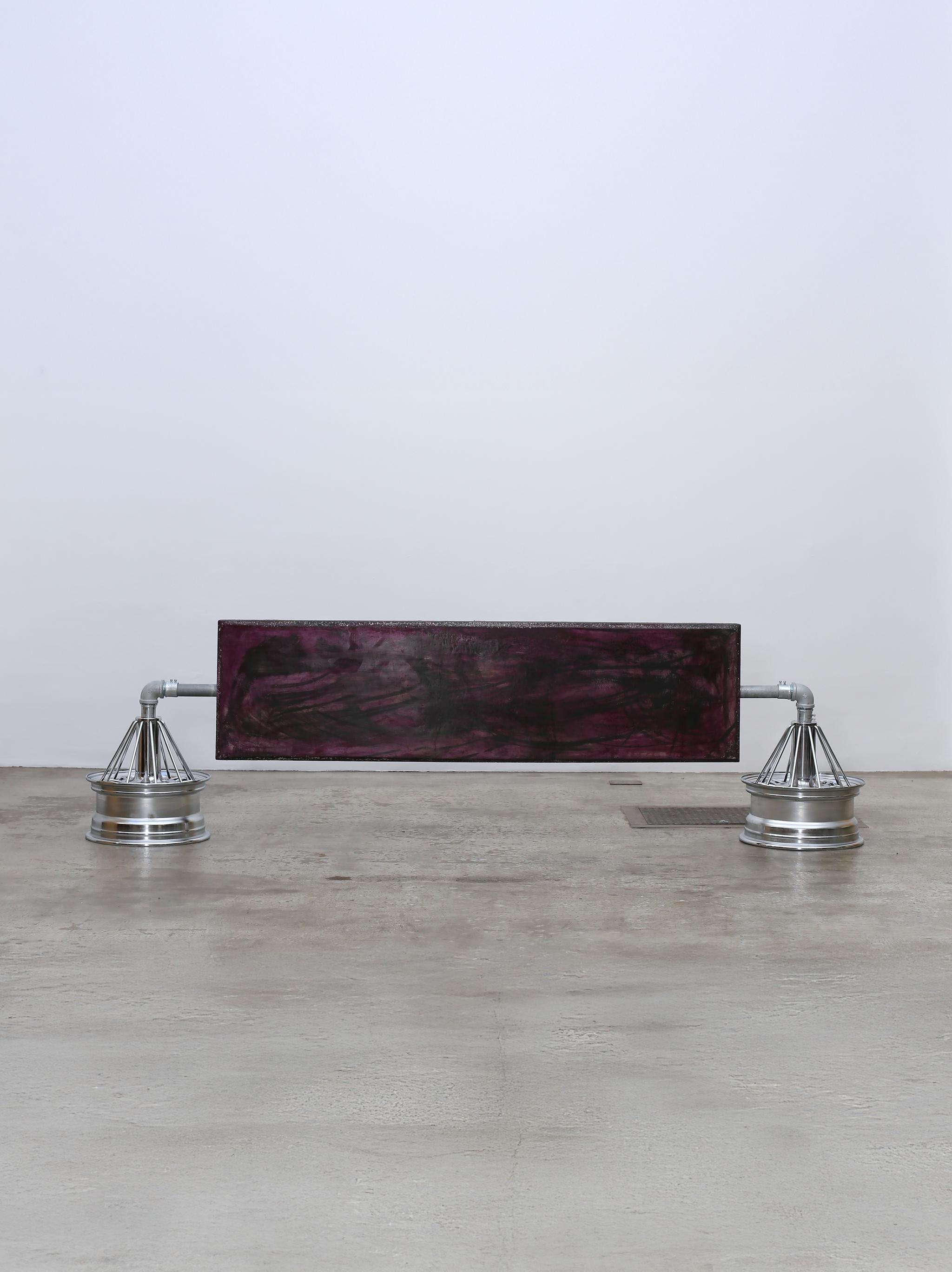
Dozie Kanu
Bench on 84’s
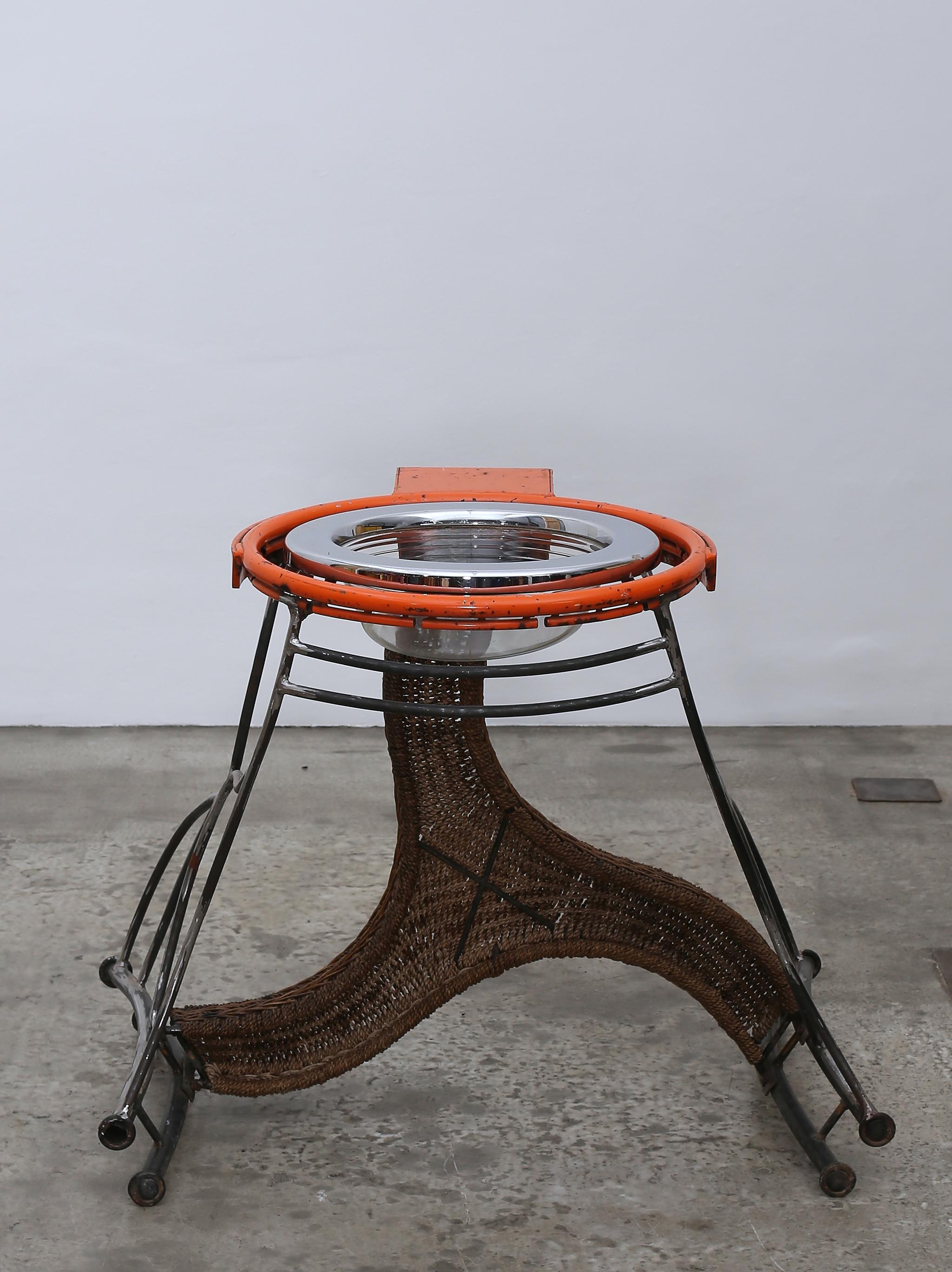
Dozie Kanu
easy gifted me, cup runneth over
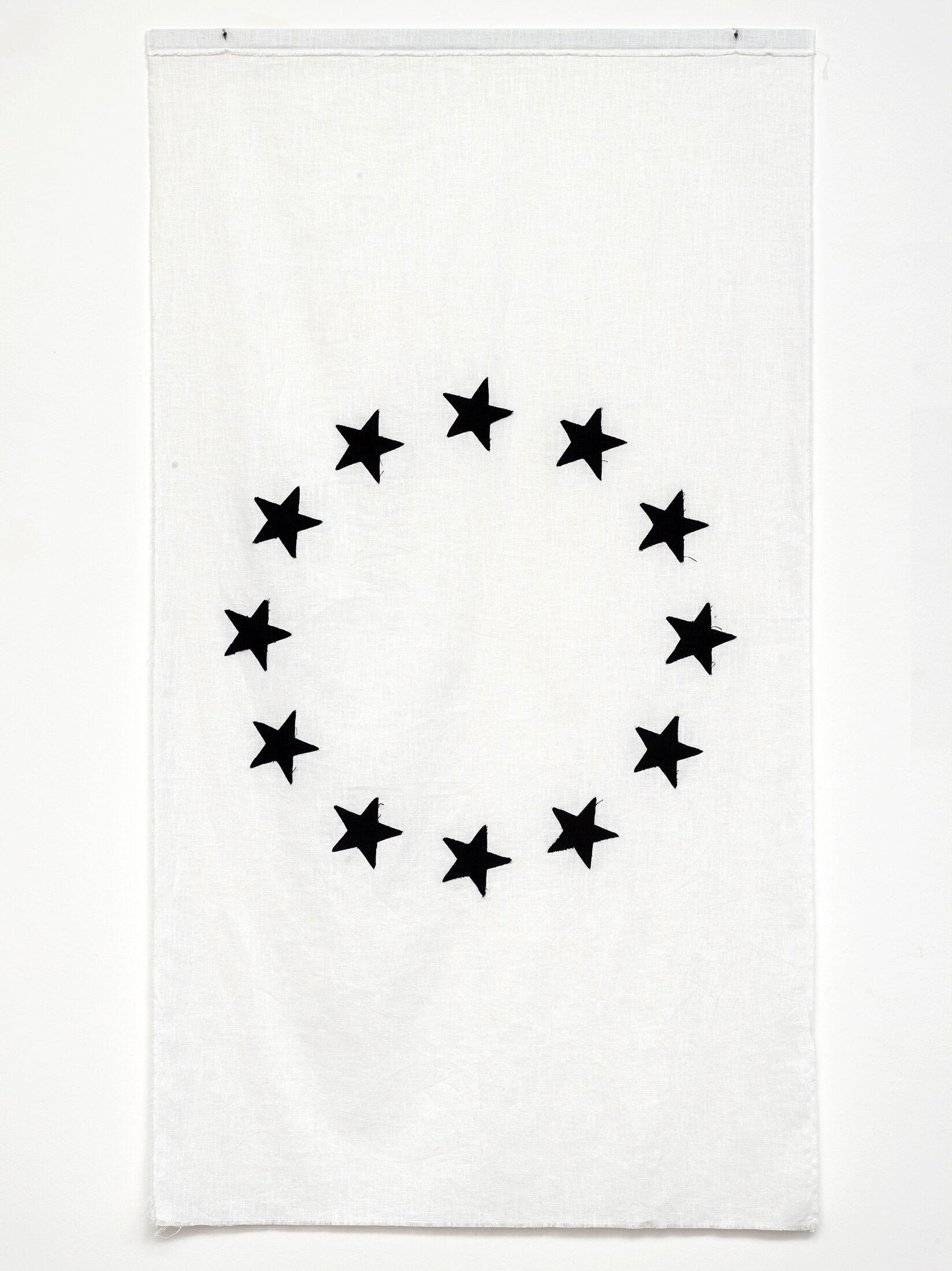
Rosemarie Trockel
Carte Blanche
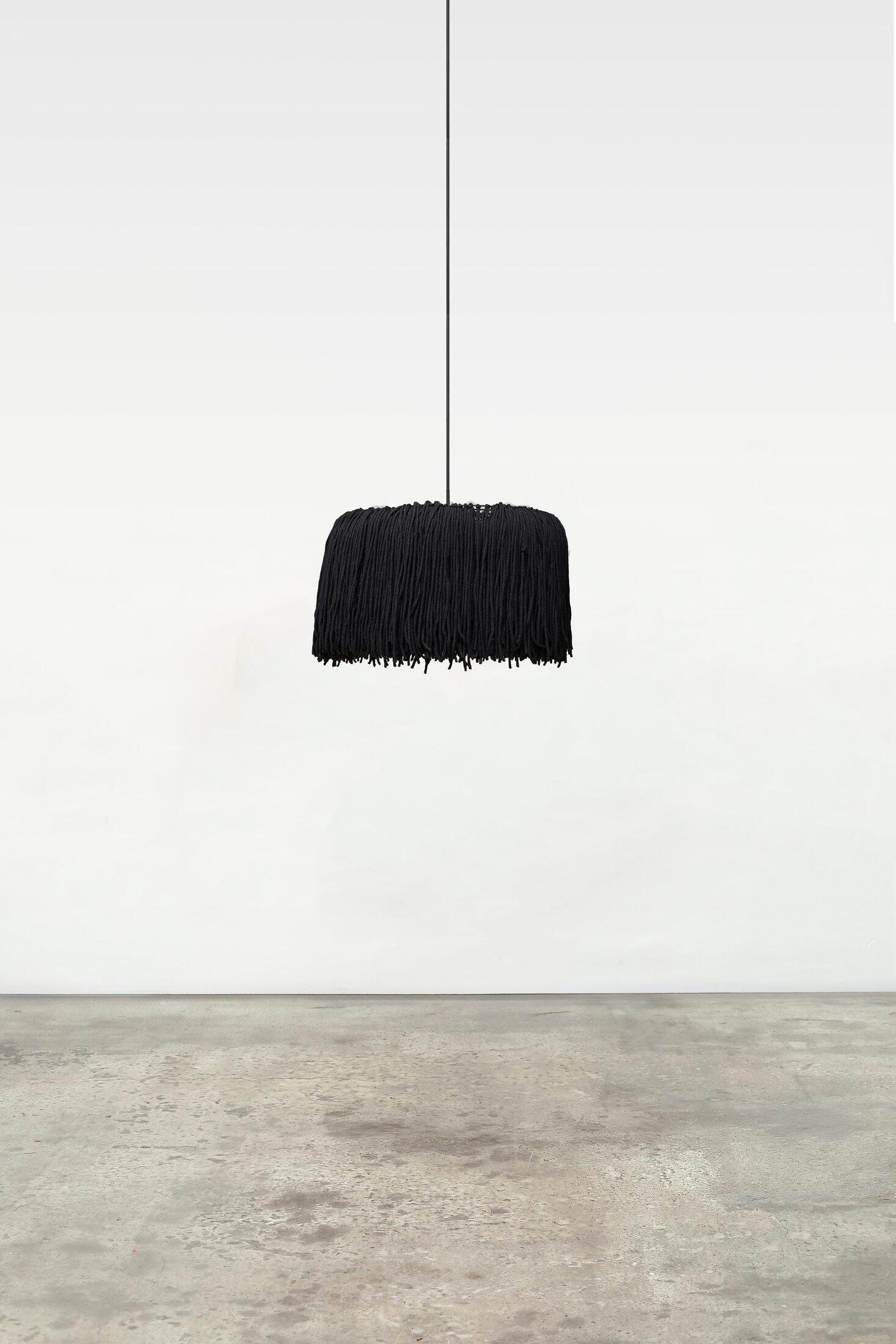
Rosemarie Trockel
Untitled
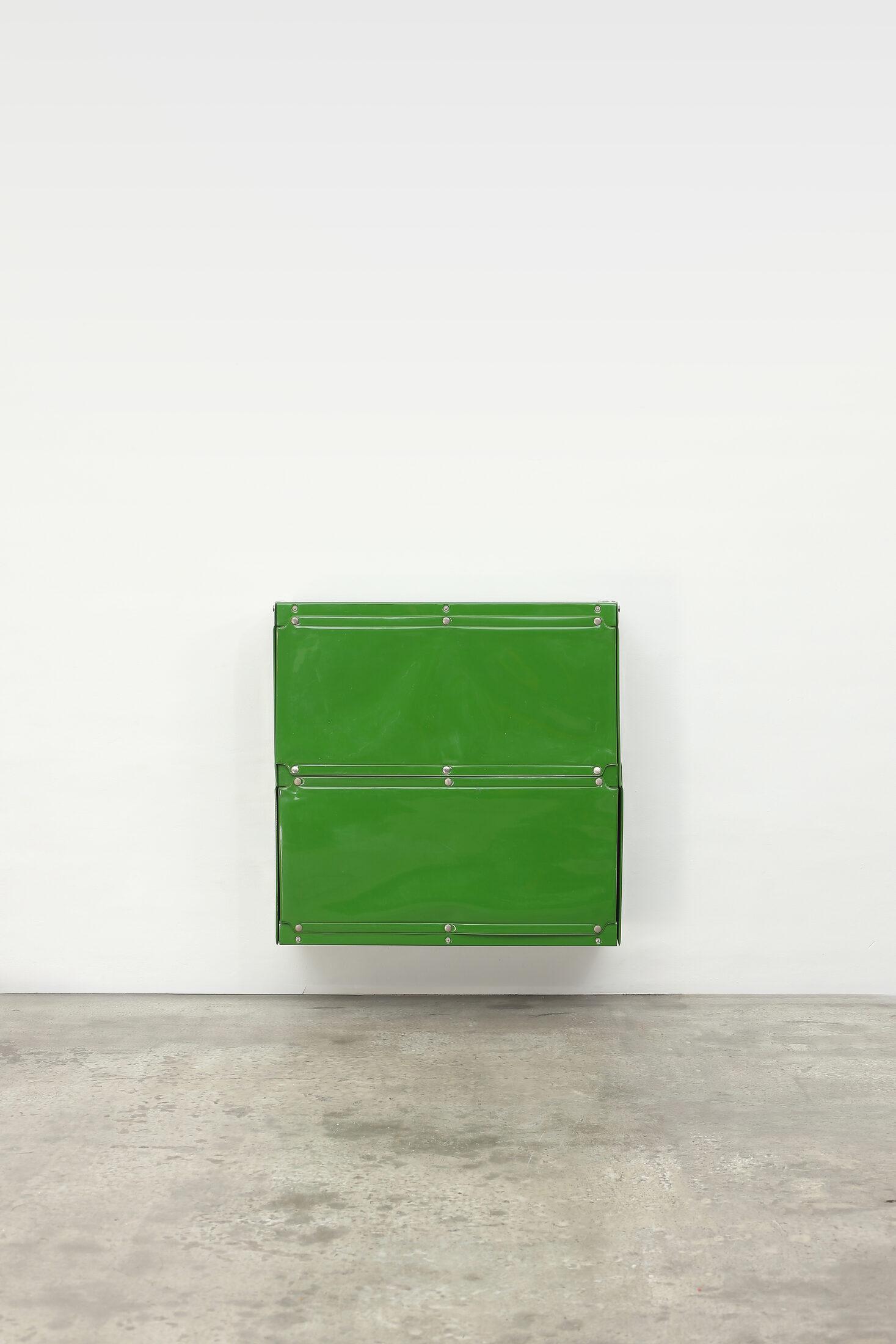
Otto Zapf
Softline Shelving System, Green Double Unit
Past Exhibitions
Julian-Jakob Kneer
For DC Open (Düsseldorf Cologne Open Galleries), GUSCH presents its second exhibition, a solo presentation by Julian-Jakob Kneer. Thirty individually painted leather skins come together as one walkable floor — first perceived as a single surface, then gradually revealing themselves as separate panels treated with pigment, alcohol, sweat, perfume and grease. Each skin is unique, carrying a debossed edition number as well as its own scratches and scars. Through crossbreeding ready-made opposing narratives, Kneer’s practice riffs on themes of morality and desire. Inexorably returning to the foundational principles of the human psyche and the gamification of the human experience, he digs up and confronts our conceptions of supposed socio-cultural binaries such as right/wrong, beautiful/ugly, sick/healthy. Kneer breaks them down into their constituent parts, and releases them for recasting in a value-free queer space. He refuses immorality and morality, but instead adopts a stance of “non-morality”. With a fraudulent art world filled with artists who demand that you adhere to their personal viewpoints, Kneer is opting for aesthetic and ideological ambiguity. Adam LehrerOpening: September 4th 2026, 6–9 pm DC OPEN Opening Hours Sat 5th 1-7pm; Sun 6th 1-5pm On view until October 17th Special thanks to Blue VelvetRosemarie Trockel & Otto Zapf
GUSCH is pleased to present the first exhibition in its new gallery space, bringing together works by contemporary artist Rosemarie Trockel and objects by designer Otto Zapf from the late 1960s. Otto Zapf is one of the more prolific and unique figures in postwar German design. In 1969 he designed his Softline series, a shelving unit made of wooden frames and lacquered foil, connected by zippers and press studs, built around the idea that objects should follow the human form rather than impose it upon them. Modular and flexible, the pieces were conceived to be installed on location, easily detached, and easy to transport. Trockel's practice blends conceptual exercises and material properties, notions of femininity and masculinity, everyday objects and art history. Her work consistently returns to the question of what materials carry, suppress, and perform. From machine-produced knitted pictures that entangle industrial manufacturing with feminine crafts, to sofa sculptures cast in steel, to ceramic objects that place domesticity under quiet but persistent pressure, her work moves between intimacy and commentary, between the functional and the unsettling. Her admiration for Zapf is not incidental: in Ageism (Eines Freundes Arm, der rettet) (2005), Trockel incorporates Zapf's shelving unit as a showcase, integrating the designed object directly into the logic of the artwork. The work Arm Length (2026) she has developed for this exhibition at GUSCH recalls and extends this gesture. The resonance between the two positions is not one of direct reference but of shared intuition. Zapf proposed furniture shaped after the human body and Trockel has long interrogated the materials that mediate between body and world. Together, the two bodies of work inhabit the space as a spatial memoir in which desire, sociality, and the poetics of material life remain, precisely, in limbo."I got paid a few thousand dollars. I use this money to poke around Brooklyn, hoping a miracle would happen and I just could stay there forever, that the money would keep disappearing and reappearing in my bank account, the same way the sun sets and rises, slipping in and out of the horizon. It could last longer. Maybe if I knew it would be gone I would spend it otherwise, but to be blessed to live in the certainty that it will reappear. I can eat with a fork on the left and a knife on the right. If all else fails, I can do another thing or two. I wouldn't mind. I take a shower after class, I listen to an audiobook where everyone has hepatitis and works as either a model, a photographer or a typist. I spend a lot of time alone and so time gets silky and the borders of my self get soft and blurry as well. Six thousand kilometers away a woman picks up a page, reads it to the end and concludes that I got it all wrong. She scoffs. She sends a message to somebody. At this point, I am probably sleeping. At this point, I am probably scrolling on my phone. There is a beautiful shower liner in the apartment I am staying at. It has a nice color and a shiny, sleek surface. Same quality of plastic as a stripper heel, but larger and more abstract. You can crave a particular weight or a certain texture. Good sculptures have it, but furniture, cutlery and shoes have it too. The eye runs on the surface, tracing how the light reflects on the depths and curves of a new thing made of something familiar. You can start to sense the periphery of a new hole you didn't know you had, but it is shaped exactly like the sum of all this thing's qualities. If only you could touch it and know for sure that it is what it is, then it would slip right into this hole and sit there snug, flush, perfect. Pick it up, yank it open. Surprised or disappointed, having endowed it with all these different qualities before." Avi Bolotinsky 2026